

Complex and rescue cases
IV sedation: calm, comfortable implant surgery
For anxious patients and longer procedures, sedation lets you rest through treatment, with little or no memory of it.
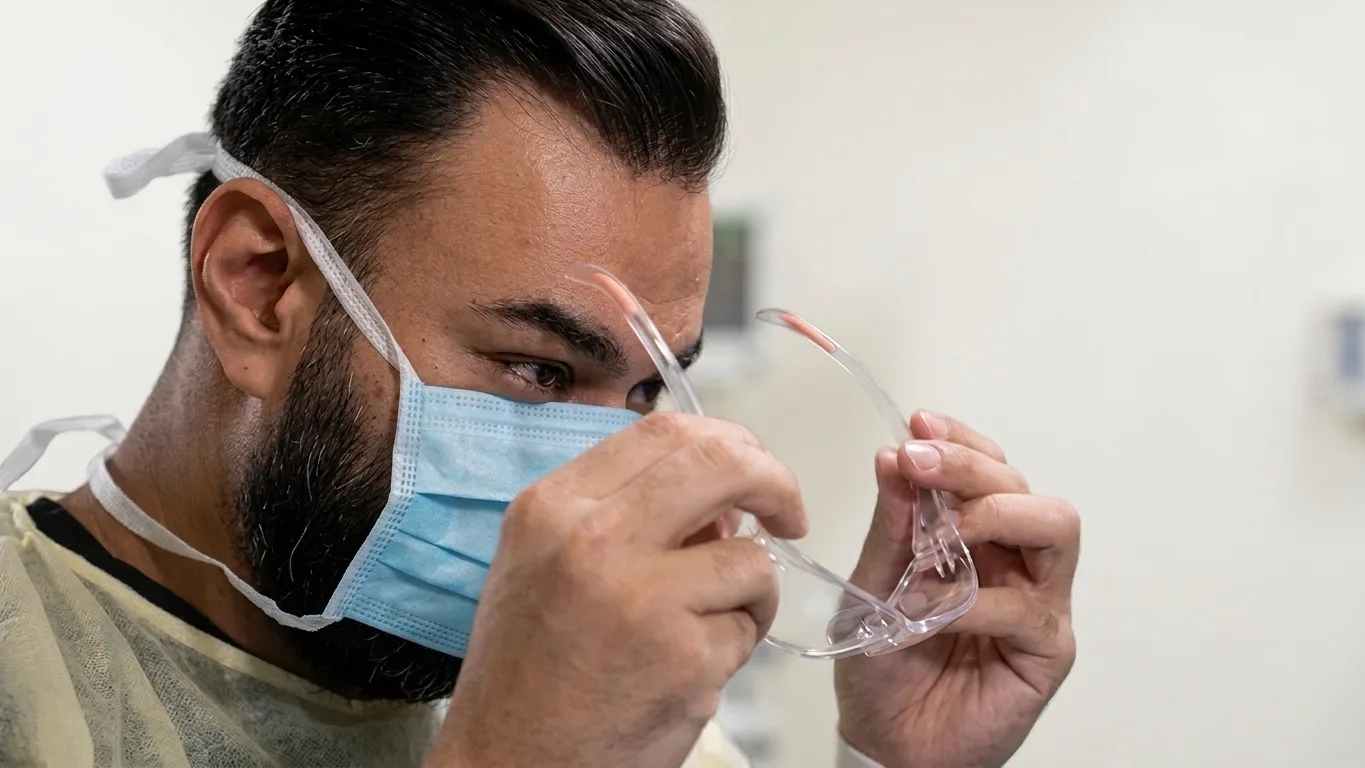
Many people put off dental treatment because they're anxious. Others need longer surgery, such as full-arch implants, that's easier to go through relaxed. IV (intravenous) sedation helps with both.
What it feels like
Medication is given through a small needle in your arm or hand. Within minutes you feel deeply relaxed and drowsy. You keep breathing on your own and can respond if spoken to, but most people remember little or nothing afterwards. Local anaesthetic is still used, so the area is numb.
IV sedation and general anaesthesia
Under general anaesthesia you're fully unconscious and need help to breathe. IV sedation is lighter: you're asleep-like but breathing on your own, and you recover much faster. For most implant surgery, sedation is all that's needed.
Is it safe?
Your medical history is reviewed beforehand. During treatment your breathing, oxygen level, heart rate and blood pressure are monitored throughout by a trained team.
Before and after
- Don't eat or drink for the time you're told beforehand
- Take your usual medicines unless told otherwise, and tell us about all of them
- Bring a responsible adult to take you home and stay with you
- Don't drive, work, sign important documents or drink alcohol for the rest of the day
Questions
Will I be asleep?
Not fully, but most people feel as if they were. You're relaxed and drowsy, and usually remember little of the procedure.
Who can't have IV sedation?
Some medical conditions and medications need care or rule it out. That's why we review your health history at the consultation.
Keep reading
Related questions
- 01Zygomatic implants in BCWhen the upper jaw has too little bone for regular implants
- 02All-on-X dental implants in VancouverA fixed full set of teeth on four to six implants
- 03Not enough bone for implants?Grafting, sinus lift, tilted and zygomatic implants
- 04A second opinionFor anyone unsure about a treatment plan they were given
Find out what's possible for you
A consultation with Dr. Ali Mehdi starts with your scans and your goals, and ends with a clear plan you understand.