

Complex and rescue cases
Failed dental implants: causes, signs and solutions
Most implants last for many years. When one doesn't, the problem can usually be understood, and very often fixed.
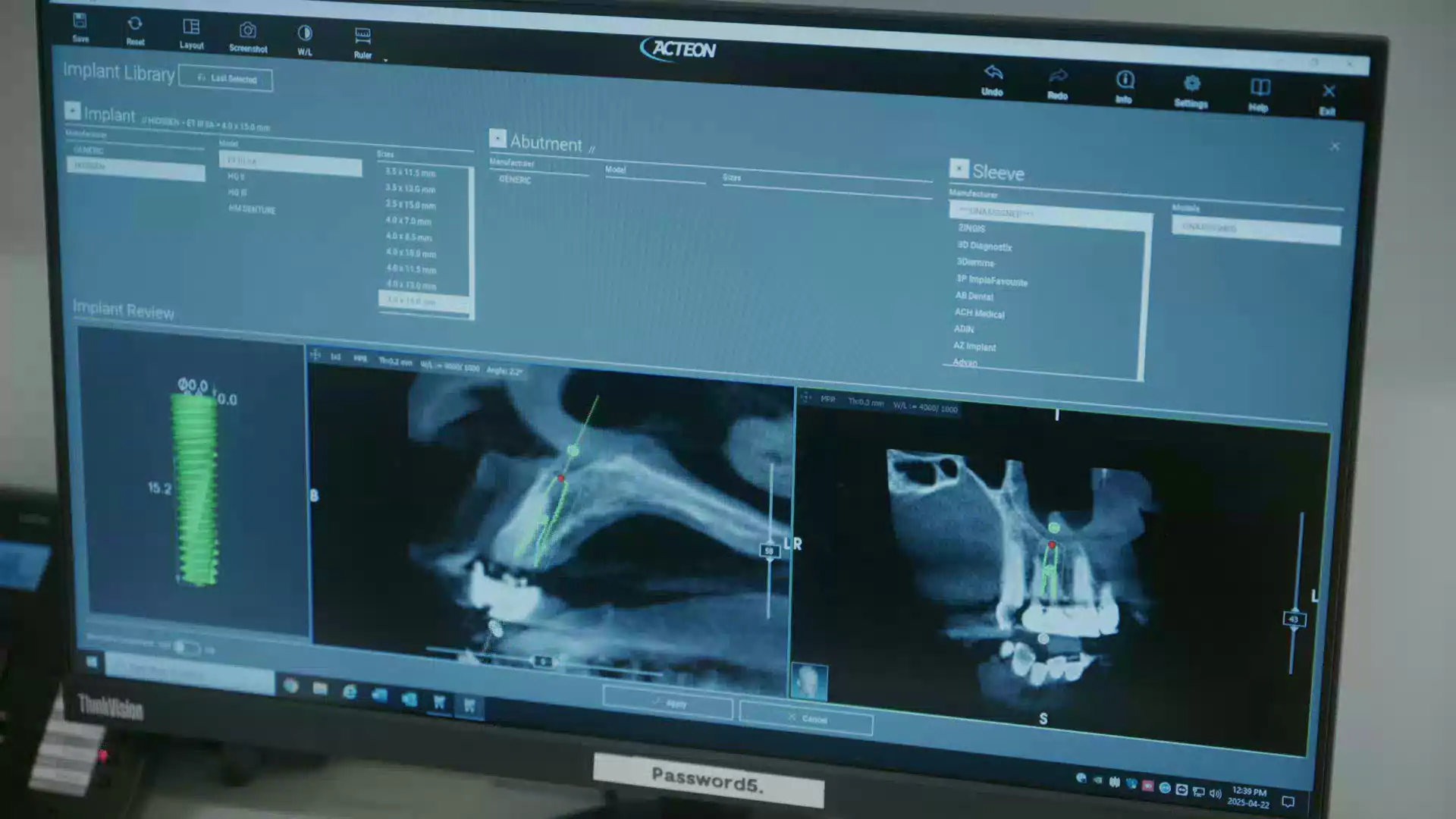
Dental implants are one of the most reliable treatments in dentistry, with long-term success rates above 95%. But no treatment is perfect, and a small number of implants do fail, either early (before they've joined with the bone) or years later.
Why implants fail
- Early failure: the implant never fully joins the bone, often because of infection, overheating of the bone during surgery, movement while healing, or too little bone to hold it
- Peri-implantitis: infection and inflammation of the gum and bone around the implant, which slowly destroys the bone that supports it
- Overload: too much biting force, from grinding, too few implants for the teeth they carry, or a bite that isn't balanced
- Position: an implant placed at the wrong angle or depth, which makes it hard to clean or restore
- Health factors: smoking, uncontrolled diabetes and some medications raise the risk
Warning signs
- The implant or the tooth on it feels loose
- Bleeding, swelling or pus around the implant
- Pain or tenderness when you bite
- The gum receding to show metal
- A bad taste or smell that doesn't go away
If you notice any of these, have it checked soon. Caught early, many problems can be treated before the implant is lost.
What can be done
It depends on what's gone wrong. A loose crown or screw is often a simple fix. Early infection can often be treated and the implant saved. When an implant has lost too much bone, it's removed, the site is cleaned and, if needed, grafted, and a new implant is placed once it has healed, sometimes in a better position than before.
Replacing a failed implant
Removing an implant is usually straightforward and done under local anaesthetic. Whether a new implant can go in straight away, or the site needs time and grafting first, depends on the bone that's left. A CBCT scan answers that question.
That's fine. Dr. Ali Mehdi regularly treats implants placed by other clinicians, in Canada and abroad. Bring any records you have, and if you don't have them, a new scan will show what's needed.
Questions
Can a failing implant be saved?
Often, if it's caught early. Treatment depends on the cause: cleaning and disinfecting the surface, correcting the bite, or regenerating lost bone.
Does removing an implant hurt?
It's done under local anaesthetic. Most people find it easier than they expected, with mild soreness for a few days.
Will a second implant fail too?
Not necessarily. Finding and fixing the cause of the first failure is what makes the second one succeed.
Keep reading
Related questions
- 01Peri-implantitisInfection around an implant, and when it can be saved
- 02Failed All-on-4: rescue and revisionLoose, broken or failing full-arch bridges
- 03Bone grafting for implantsTypes of grafts, GBR and ridge split, explained simply
- 04A second opinionFor anyone unsure about a treatment plan they were given
Find out what's possible for you
A consultation with Dr. Ali Mehdi starts with your scans and your goals, and ends with a clear plan you understand.