

Refer Complex Full-Arch Cases with Confidence
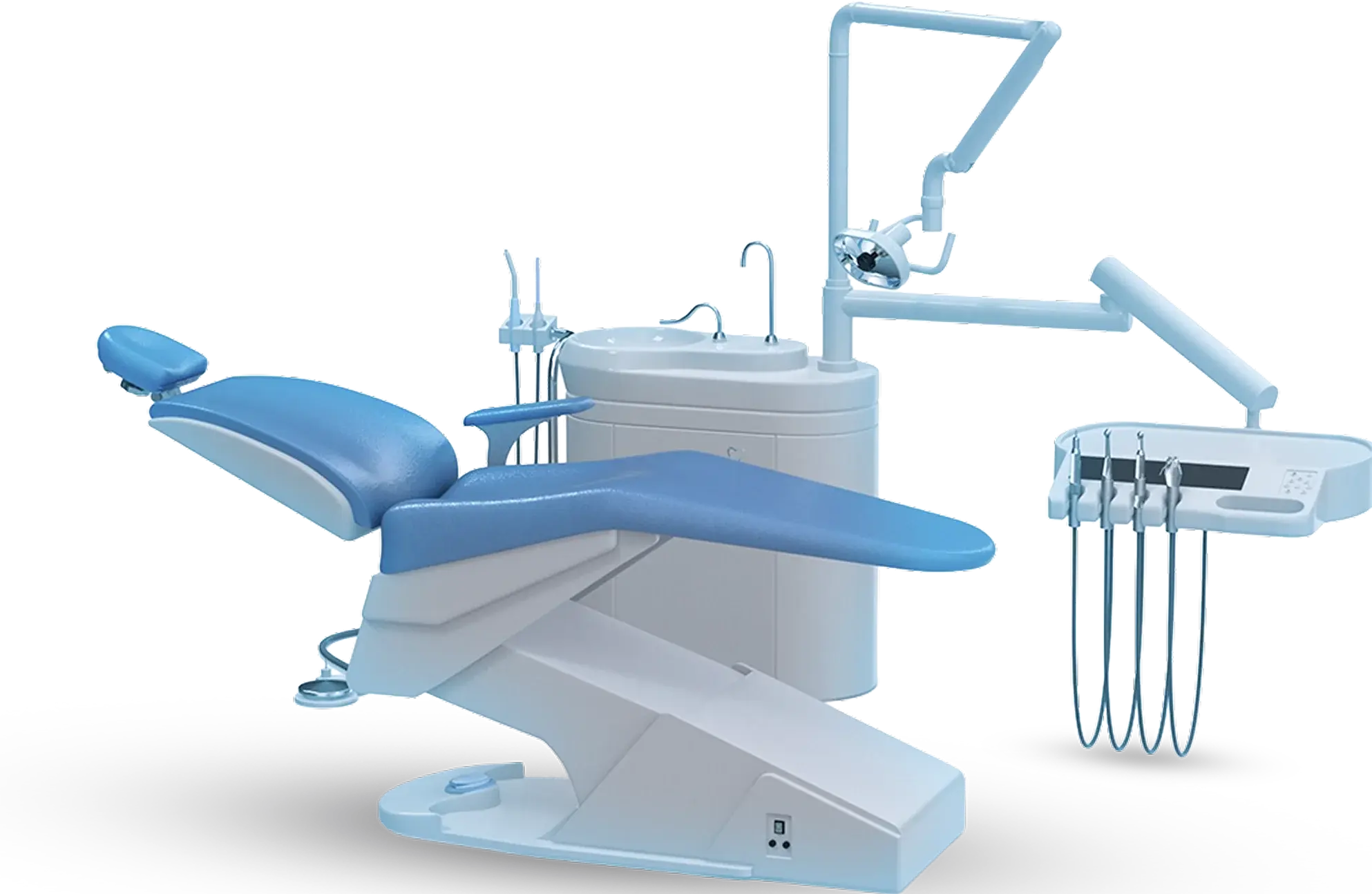
Full-Arch Case Planning & Clinical Collaboration Network
Supported through Clinical Catalyst, the network provides access to advanced case planning systems, digital workflows, collaborative treatment coordination, and ongoing clinical education focused on modern implant and full-arch rehabilitation.

WHY CLINICIANS REFER
Full-arch implant rehabilitation is rarely a single-clinician process. It often involves staged diagnostics, surgical decision-making, prosthetic design, temporization, and long-term restorative planning across multiple providers. In many practices, this coordination happens informally which can lead to variability in communication, sequencing, and outcomes.
Arch Centres was developed to support clinicians by introducing a more consistent way to approach complex implant cases across multiple stages of care.

Prosthetically Driven Planning
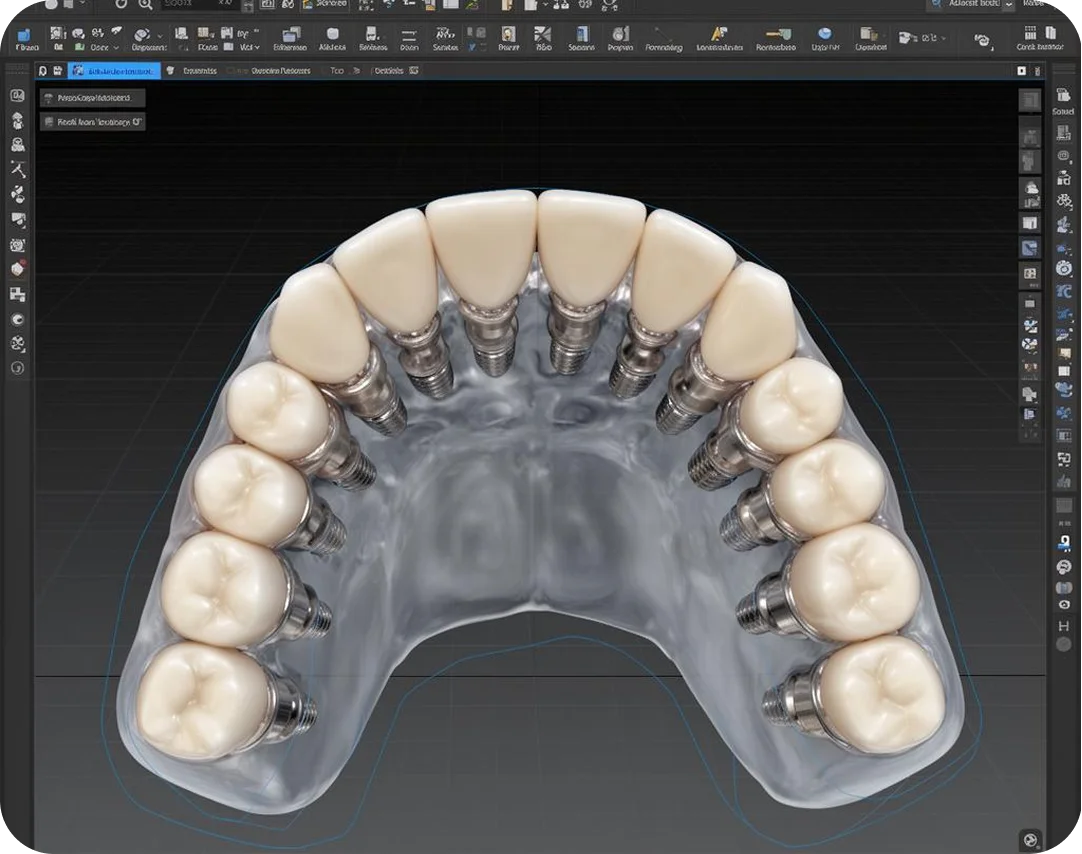
Implant positioning guided by restorative objectives, long-term function, occlusion, and aesthetic outcomes including FP1–FP3 full-arch prosthetic planning concepts.

Collaborative Clinical Support
Structured coordination between referring clinicians, restorative teams, implant clinicians, and surgical providers at all experience levels.

Guided Digital Workflows
CBCT-based diagnostics, digital treatment planning (including Exocad workflows), and guided surgical systems where Appropriate

Complex Case Support
Assistance with advanced cases including bone loss, failing dentition, full-arch rehabilitation, and multi-phase treatment planning including All-on-4, All-on-6, tilted implants, and zygomatic solutions.
Clinical Catalyst Membership & Professional Collaboration
The network is designed for general dentists, implant clinicians, restorative dentists, and surgical providers who are looking to improve case predictability, strengthen treatment planning, and engage in structured clinical collaboration.
This is a growing clinical network based in British Columbia with expanding international participation, welcoming clinicians globally who are engaged in advanced implant and full-arch rehabilitation systems.

Dr. Ali Mehdi

How does our Coordinated Case Planning Support ensure surgical success?


What is the Referral Process?
This ensures consistency across All-on-X and full-arch implant workflows, while allowing flexibility for clinician experience level and case complexity.
Case Submission & Patient Workup
Clinical records, CBCT imaging, and treatment goals are submitted for structured review.
At this stage, the focus is on:
- Patient-centred assessment and medical considerations
- CBCT-based diagnostic evaluation
- Case classification (simple to complex full-arch cases)
- Identification of risk factors in full-arch rehabilitation
- Case classification (simple to complex full-arch cases)
- Dentification of risk factors in full-arch rehabilitation
Collaborative Review & Treatment Philosophy
Treatment options and sequencing are discussed with relevant clinical contributors across restorative and surgical disciplines.
This stage is guided by:
- Core prosthetic-driven treatment philosophy
- Evidence-based decision making for All-on-4, All-on-6, tilted and zygomatic approaches
- Evaluation of anatomy, AP spread, and implant positioning strategy
- Initial prosthetic design considerations (FP1–FP3 concepts)
Coordinated Treatment Planning & Execution
Treatment is directed through participating Arch Centres clinics with shared planning input and standardized workflow protocols.
This phase integrates:
- Digital prosthetic design and restorative planning
- CBCT-guided surgical planning and implant positioning
- Vertical dimension, occlusion, and space management analysis
- Immediate loading protocols where appropriate (including All-on-X workflows)
- Evidence-based clinical protocols and long-term outcome considerations
Restorative Completion & Long-Term Maintenance
Referring clinicians remain involved throughout restorative phases where applicable, ensuring continuity of care and communication.
This stage includes:
- Final prosthetic delivery and occlusal refinement
- Complication prevention and long-term maintenance protocols
- Review of outcomes against clinical planning objectives
- Integration of case learnings into ongoing clinical education